
Industry leaders share their goals for 2027, along with the most valuable lessons they learned this year
As the new year quickly approaches (where did 2026 go?), it’s only natural for many of us to begin contemplating our goals and resolutions for 2027—and those in the housing industry are no exception. We asked four such individuals to share what they’re envisioning for the coming year, as well as the learning experiences they’ll take with them.
Passing the Torch

Peter Coyle
Attorney, Larkin Hoffman
Housing Affordability Institute Chair, Housing First Minnesota
“It has been a privilege to build a successful practice and so many strong and lasting client relationships over the years, but as a semi-retired attorney, my focus now is transitioning that practice to the next generation of capable attorneys on my team,” Peter Coyle shares as he looks back on his 30-year career at Minneapolis-based Larkin Hoffman. “As a retiring attorney, I’m fortunate to be able to pass along my practice to such a talented group and know my clients will continue to be in good hands.”
Coyle shares his goal-setting philosophy, saying, “We are not able to achieve our dreams if we do not first have dreams. The same applies for goals and goal setting. Setting goals is a constructive and important means by which a person or organization charts a path for growth and success. Goals are not rigid and should change based on new information or priorities, but they should reflect an honest and realistic attempt to map out steps to be taken with measurable outcomes in the year ahead.”
Quality Over Quantity

Paul Grabow
President, Robert Thomas Homes, Inc.
Center for Housing Careers, Housing First Minnesota
At Lakeville’s Robert Thomas Homes, Inc., you’d think that the goal would be to build even more homes next year—but that’s not the case for President Paul Grabow, and he has a good reason why not.
“While it might sound strange, our 2027 goals are actually to sell less homes this year while we get ready to open new communities in early 2028 and generously grow our land position,” he shares. “It is essential for a larger homebuilder to always be looking one to two years ahead to ensure they have the right lot inventory. Setting a budget early against your lot inventory sets a governor for how much you can sell and ensures that number looks good for overall operation.”
He goes on to say, “2027 is a strategic transition year for Robert Thomas Homes that will set us up for continued long-term success. We have a great team, exciting new communities on the horizon, and we look forward to creating more opportunities for families to build the home they’ve always dreamed of.”
Intention & Connection
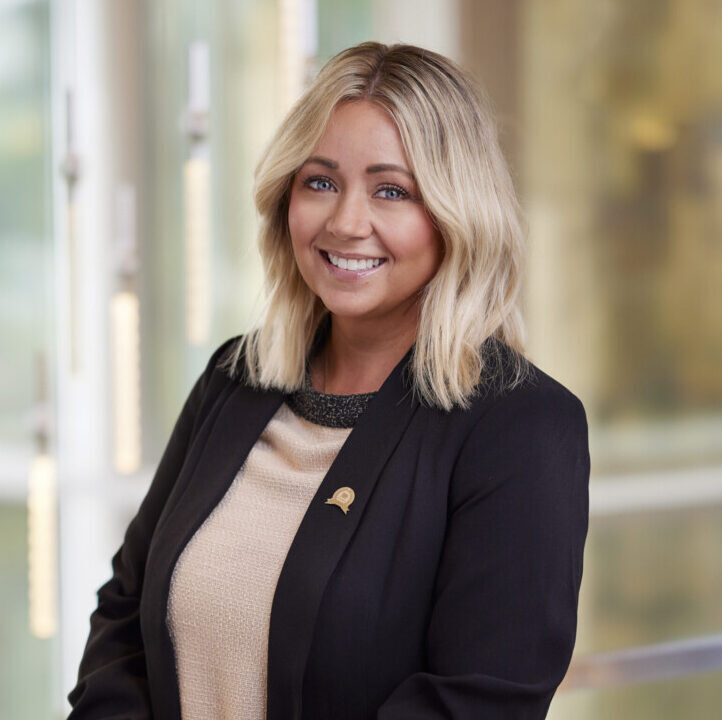
Katie Hronski
Market Representative, Cambria
Ambassador Chair, Housing First Minnesota
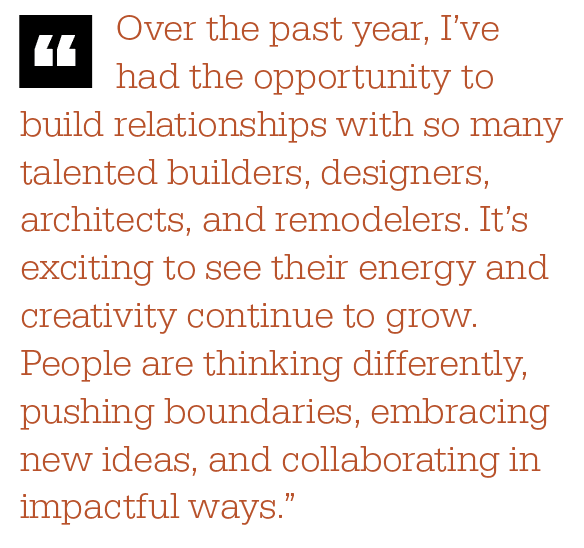
As a representative of Eden Prairie-based Cambria, which is famed for its high-quality quartz surfaces, Katie Hronski is heading into the coming year with ambitious goals and a clear vision for what’s ahead.
“As I look ahead to 2027, my goal is to continue strengthening relationships with my partners and bringing new strategic opportunities to Cambria,” she shares. “I’m working on bringing fresh, innovative ideas to the table. Whether that’s new events, partnerships, or unique ways to engage our customers, I want to find opportunities that create value for our partners and help grow the Cambria brand.”
And those goals don’t come without some 2026 lessons learned. “This year, I learned the importance of being intentional with my time,” she says. “There are always more opportunities than there is capacity. I find focusing on the partners, projects, and initiatives with the greatest long-term impact also deepens my relationships with partners, ultimately helping me reach my goals.”
Adaptive Thinking
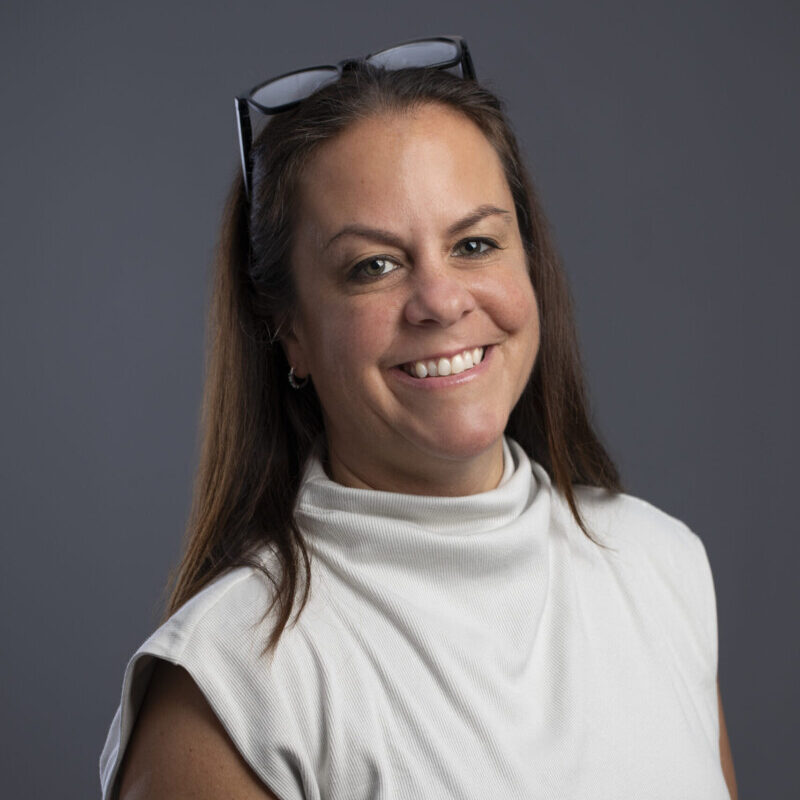
Rebecca Remick
Owner, City Homes, LLC
Member At-Large (Executive Board), Housing First Minnesota
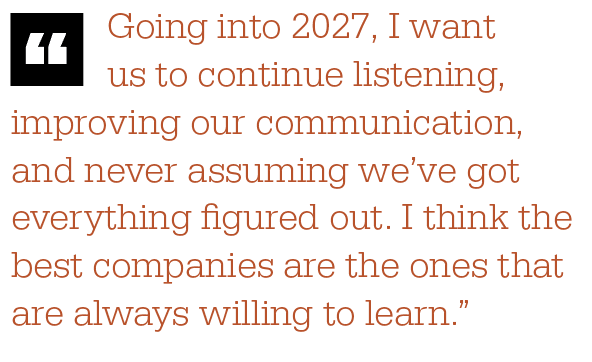
For Rebecca Remick, owner of City Homes, LLC, her resolutions aren’t focused on simply growing her Edina-based firm. Instead, she wants to adapt, change, and improve in 2027. “Our industry is constantly changing,” she says. “Client expectations change. Technology changes. The market changes. If you’re doing things the same way you did five years ago, you’re probably falling behind.”
Change can be difficult to achieve if you’re just going through the motions every day, and this is something Remick recognizes. “Before you know it, another year has gone by, and you’ve been so busy working that you haven’t taken time to think about where you’re trying to go,” she reflects.
Some of Remick’s specific goals for the coming year include continuing to elevate client experience, investing in her team, and looking at technology in new ways, including AI, which she believes “can help us work smarter and communicate better.”
“To me, success in 2027 won’t be measured by how many homes we build,” she says. “It’ll be measured by whether we’re building a stronger company, developing great people, and continuing to improve what we do every day.”